
Why Does Your Skin Still Look Dull, Dry, or Congested No Matter What You Try?

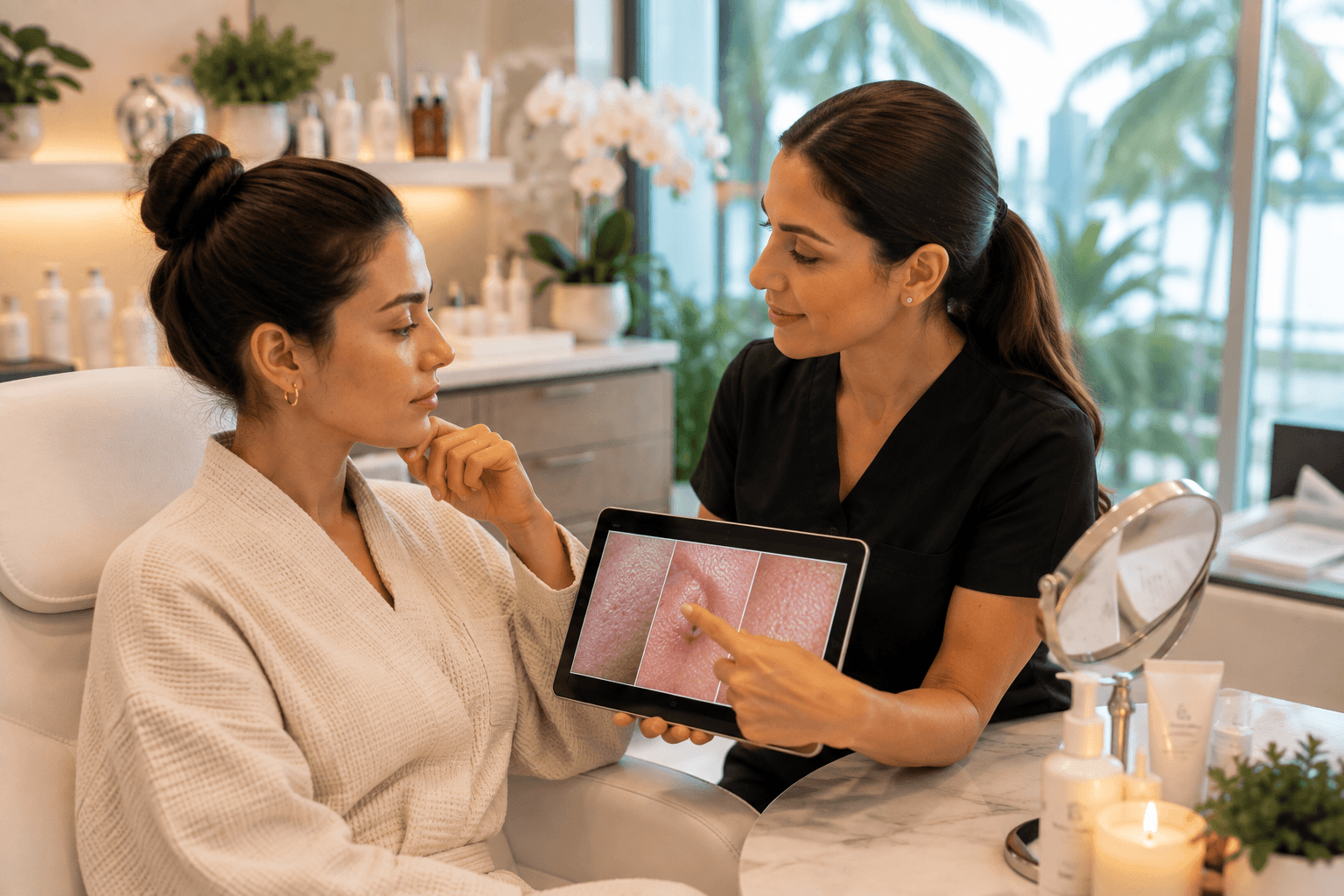
If you have ever stood in front of the bathroom mirror wondering why your skin looks tired even after a full night's sleep, or why your foundation seems to sit oddly on rough, flaky patches, you are not alone. So many of our clients here in Tampa come to us with the same frustration: they are cleansing, moisturizing, and using every serum on the shelf, yet their skin still feels congested, dehydrated, or just plain lackluster. This article, updated for August 2026, digs into why that happens and walks through the treatment that has become one of the most requested solutions for exactly this problem.
What Causes Dull, Dehydrated, or Congested Skin in the First Place?
Before jumping to a fix, it helps to understand what is actually going on underneath the surface. Dull or congested skin rarely comes from one single cause. It is usually a combination of everyday factors stacking up over time.
Is It Dehydration, Dryness, or Something Else?
Dry skin and dehydrated skin are often talked about like they are the same thing, but they are not. Dry skin lacks oil, while dehydrated skin lacks water, and you can actually have both oily and dehydrated skin at once, which is part of why so many people feel confused about what their skin actually needs. Florida's climate does not make this easier. Constant air conditioning indoors paired with humidity and sun exposure outdoors can leave skin swinging between moisture loss and surface buildup.
Why Do Pores Get Clogged So Easily?
Pores collect a daily mix of oil, sweat, sunscreen, makeup, and dead skin cells. When that buildup is not fully removed, it hardens inside the follicle and creates those small bumps, blackheads, or rough texture you can feel but not always see. Over time, this congestion also traps dull, dead skin cells at the surface, which is one of the biggest reasons skin loses its natural glow.
Can Everyday Products Actually Make It Worse?
Sometimes yes. Heavy moisturizers can sit on top of congested pores without actually clearing them. Harsh exfoliants can strip the skin's barrier, triggering it to overproduce oil in response. This is why so many people feel stuck cycling through products that promise glowing skin but only address one piece of the puzzle at a time.
Why Don't Cleansers and Moisturizers Fix Clogged Pores or Uneven Tone on Their Own?
Most cleansers work at the surface level. They lift away light dirt and oil, but they are not designed to reach deep into the follicle to extract built up debris. Moisturizers, similarly, add hydration on top of the skin, but if the outer layer is covered in dead skin cells, that hydration cannot fully absorb where it is needed.
This is also why uneven skin tone and lingering discoloration are so hard to shift with over the counter products alone. Pigmentation and rough texture often live in layers that daily skincare simply cannot access. It usually takes a more targeted, professional approach to make a visible difference, which is where many of our Tampa clients start asking about options like a hydrafacial treatment.
What Is a HydraFacial Treatment and How Does It Actually Work?
A hydrafacial treatment is a multi step skin resurfacing service that combines cleansing, gentle exfoliation, extraction, and hydration in one session using a specialized device. Unlike traditional facials or manual extractions, the process uses vortex suction technology to lift out impurities while simultaneously infusing the skin with hydrating serums, so the skin is never left stripped or irritated.
The Cleanse and Exfoliate Step
The treatment begins by removing dead skin cells and surface oil, which helps unclog pores and immediately smooths texture.
The Extract and Hydrate Step
Next, a vortex extraction tip painlessly loosens and removes debris from the pores while delivering hydrating solutions at the same time, which is what makes this step feel more soothing than a traditional extraction.
The Fuse and Protect Step
Finally, antioxidant and peptide rich serums are infused into the skin to replenish moisture and support a healthy, protected barrier. If you want a closer look at how each phase is customized, our hydrafacial treatments page breaks down the full process in more detail.
Who Is a Good Candidate for a HydraFacial?
One of the reasons this treatment has become so popular is how broadly it works. It is generally suitable for most skin types, including sensitive skin, and can be adjusted depending on what someone's skin needs that day.
Is It Right for Dry or Dehydrated Skin?
Yes. Because the process focuses heavily on infusing hydration, it is often recommended for people dealing with tightness, flakiness, or an overall dull complexion. If persistent dryness is your main concern, it is worth reading through our dry or dehydrated skin concern page, which explains how ongoing hydration support fits into a longer term skincare routine.
Is It Helpful for Uneven Tone or Breakouts?
It can be. The exfoliation and extraction components support clearer, more even looking skin over time, which makes it a popular option for people managing uneven skin tone and hyperpigmentation or occasional congestion related to acne and breakouts. It is not a replacement for active acne treatment plans, but many clients use it alongside their existing routine for maintenance and glow.
Who Should Wait or Ask First?
Anyone with active skin infections, open wounds, or certain inflammatory skin conditions should speak with their provider first. During your consultation, our team will walk through your skin history so the treatment is tailored appropriately rather than applied as a one size fits all service.
What Results and Downtime Should You Expect?
This is usually the first question people ask once they understand how the treatment works, and it is one of the biggest draws.
Is There Any Downtime?
Typically, no. Most people leave with visibly brighter, smoother skin and are comfortable heading straight back to work or errands. There may be mild, temporary redness immediately afterward, similar to a light flush, but it generally fades quickly.
When Will You See Results?
Many clients notice smoother texture and a healthy glow right away, with continued improvement in tone and clarity over the following days as the skin fully absorbs the infused serums.
How Often Should You Get One?
Because it is gentle enough for regular use, many people schedule a hydrafacial treatment monthly to maintain consistent results, especially before events or as part of an ongoing skincare maintenance plan.
How Do You Choose Between HydraFacial Tiers?
Not every skin concern needs the exact same approach, which is why the treatment is typically offered in different tiers.
What Makes the Signature Option Different?
The signature hydrafacial covers the core cleanse, extract, and hydrate process and works well for people wanting a reliable, foundational treatment.
When Would You Choose Deluxe or Platinum?
The deluxe hydrafacial builds in additional boosters targeted toward specific concerns like tone or hydration, while the platinum hydrafacial adds further steps like lymphatic drainage for an even more comprehensive result. If time is tight, the express hydrafacial offers a shorter version of the core treatment, ideal for a quick refresh between fuller sessions.
If you are unsure which level fits your skin, our skin treatment services overview is a helpful starting point before booking.
Frequently Asked Questions
Does a hydrafacial hurt? No. Most people describe it as relaxing rather than uncomfortable. The suction based extraction feels more like gentle massage than traditional pore extractions.
How long does a hydrafacial treatment take? A standard session typically takes around 30 to 45 minutes, depending on the tier chosen, making it easy to fit into a lunch break or busy day.
Can I wear makeup after my hydrafacial appointment? Yes, most people can apply makeup shortly afterward since there is little to no visible downtime following the treatment.
Is a hydrafacial treatment good for acne prone skin? It can help support clearer looking skin by removing surface congestion, though it works best as a complement to, not a replacement for, an active acne treatment plan.
How soon will I notice a difference after a hydrafacial? Many people notice smoother, brighter skin immediately, with hydration and tone continuing to improve over the next several days.
How often should I schedule a hydrafacial in Tampa? Monthly sessions are common for maintaining results, though your provider may suggest a different frequency based on your skin's specific needs.
The Glow Up Tampa Skin Has Been Waiting For
Dull, congested, or dehydrated skin is rarely something you can fix with one more serum. It usually takes a treatment that can reach past the surface, which is exactly why the hydrafacial treatment has become such a go to option for our clients throughout Tampa, Florida and nearby South Tampa. Whether you are dealing with rough texture, uneven tone, or that hard to describe tired looking skin, there is a version of this treatment built to meet you where your skin is right now.
If you are ready to see what a little extra hydration and a proper deep cleanse can do, take a look at our current spa specials or head over to our homepage to explore the full range of services. When you are ready to book or simply want to ask a few questions first, our team is easy to reach through our contact page.
Related Articles



.avif)